Library
Peptide monographs
Each monograph covers mechanism, pharmacokinetics, reported effects, and the literature behind them.

BPC-157 (Body Protection Compound 157)
Research Use OnlyBPC-157 is a 15-amino-acid synthetic peptide derived from human gastric juice protein that promotes angiogenesis, accelerates tendon and ligament healing, and modulates dopaminergic and serotonergic systems. One of the most studied recovery peptides.

CJC-1295 (Modified GRF 1-29, No DAC)
Research Use OnlyCJC-1295 (Modified GRF 1-29) is a protease-resistant GHRH analog with a 30-minute plasma half-life that provides sustained GHRH receptor stimulation and is most commonly stacked with Ipamorelin for synergistic GH pulse amplification.

Epitalon (Epithalamin Tetrapeptide)
Research Use OnlyEpitalon is a synthetic tetrapeptide derived from the pineal gland extract Epithalamin. It is the most studied peptide for telomerase activation, extending telomere length in human fibroblast and lymphocyte models. Also modulates melatonin synthesis and antioxidant pathways.
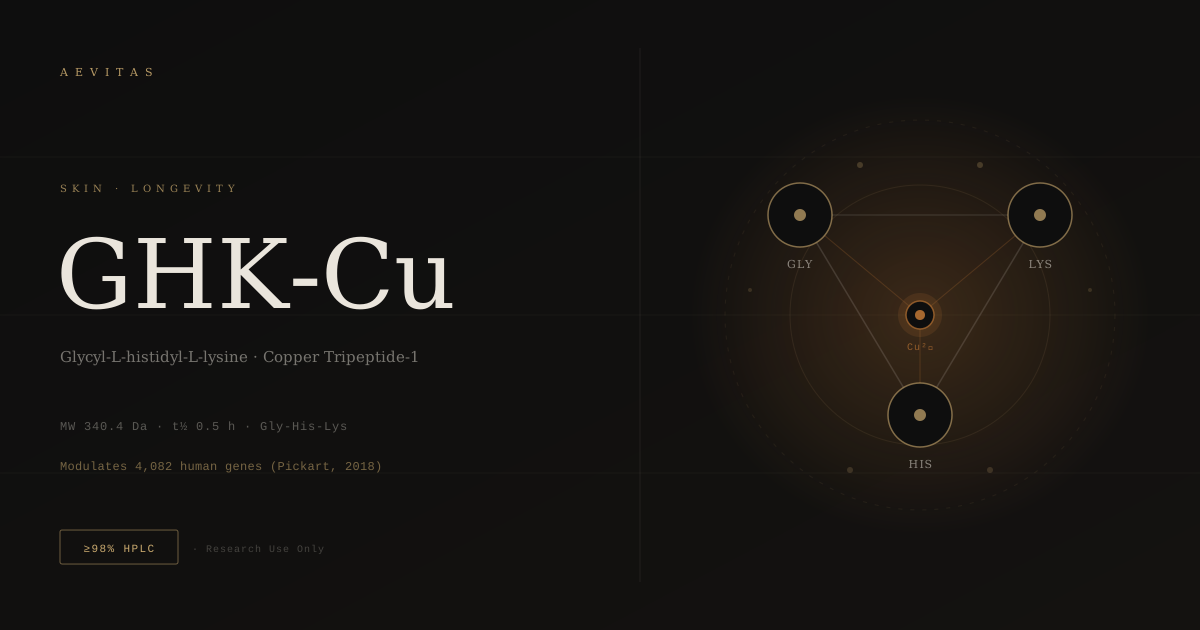
GHK-Cu (Copper Tripeptide-1)
Research Use OnlyGHK-Cu is a naturally occurring copper-binding tripeptide that stimulates collagen synthesis, activates tissue repair, and modulates over 4,000 human aging-related genes. Plasma concentrations decline ~60% between ages 20 and 60.
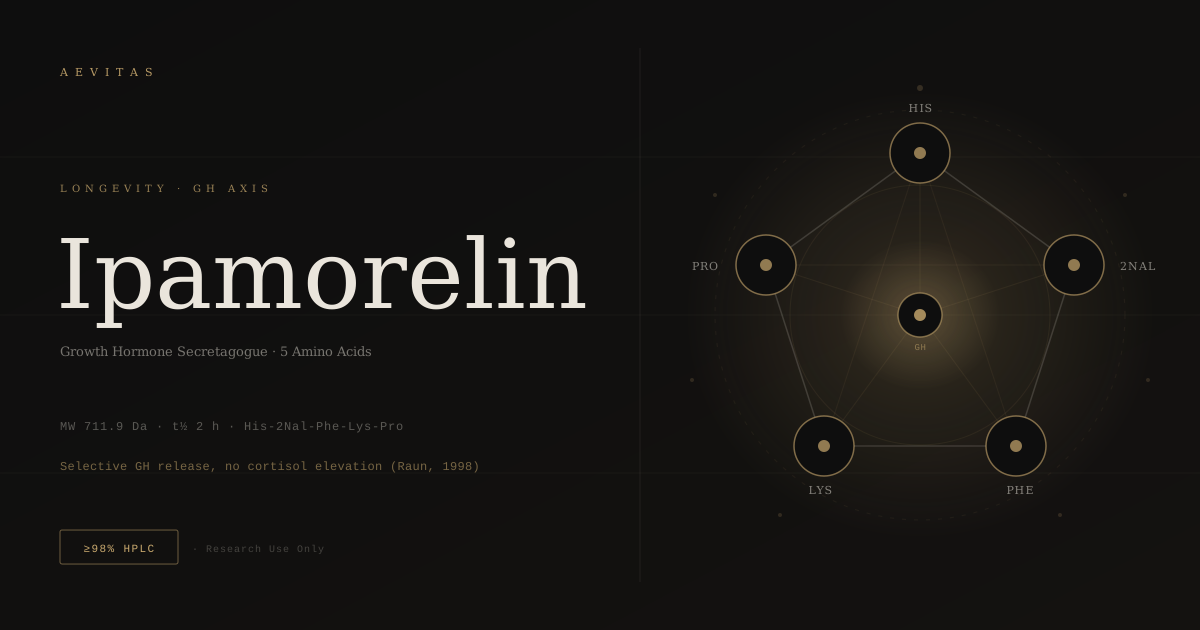
Ipamorelin (GH Secretagogue)
Research Use OnlyIpamorelin is a selective pentapeptide GH secretagogue that stimulates pituitary GH release without elevating cortisol, prolactin, or ACTH. The cleanest GHRP profile among studied GH secretagogues, typically stacked with CJC-1295 for synergistic GH pulse amplification.

Sermorelin (GHRH 1–44)
Research Use OnlySermorelin is a 44-amino-acid GHRH analog that stimulates pituitary somatotrophs to release growth hormone physiologically. It preserves the GH feedback loop — unlike exogenous GH — making it the primary tool for studying GH-axis restoration in aging research.
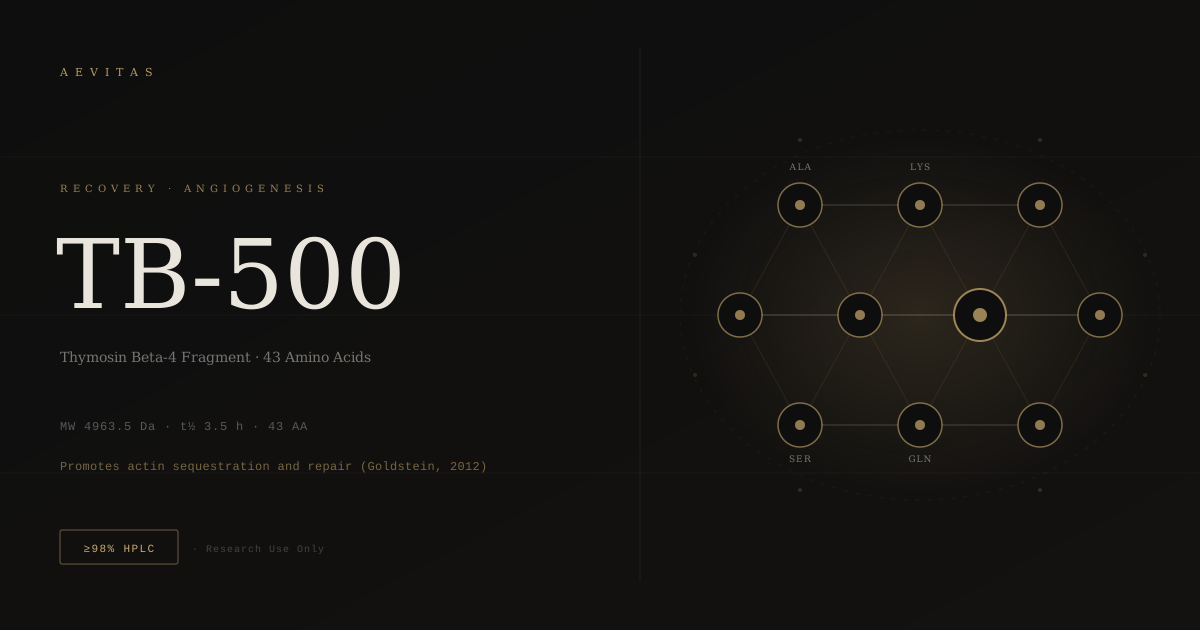
TB-500 (Thymosin Beta-4 Synthetic)
Research Use OnlyTB-500 is a synthetic analog of Thymosin Beta-4, a 43-amino-acid intracellular protein that regulates actin polymerisation to promote cell migration, angiogenesis, and tissue repair. Studied for musculoskeletal regeneration, cardiac repair, and wound healing.